Monday, September 29, 2014

Quick and Healthy Breakfast with Oatmeal or Quinoa


Oatmeal and Quinoa are whole grains that will keep you full longer.

  • Use instant or long cook (combined with water or milk)
  • Use in a smoothie
  • Use in baked goods (pancakes, muffins, waffles)

You can add a lot of nutritious foods to oatmeal or quinoa for a healthy breakfast!

  • Fresh Fruit (blueberries, raspberries, bananas, peaches)
  • Dried Fruit (dried mango, raisins, cranberries)
  • Nuts or Nut Butters
  • Honey (make it sweeter)
  • Spices (cinnamon, pumpkin)
  • Eggs
  • Turkey Sausage or Bacon
  • Greek Yogurt
  • Dark Chocolate

Mix and Match to come up with a great meal!

Oatmeal or quinoa with fresh blueberries, Greek yogurt and honey
Oatmeal or quinoa with peanut or almond butter and a banana
Oatmeal or quinoa with a scrambled egg and turkey sausage


Written By: Emma Scogin and Jennifer Bennett, SFA Dietetic Interns 2014-2015

Resources:


Tuesday, September 23, 2014

Fruits and Veggies- More Matters

Keep it simple- Make half of your plate fruits and vegetables!


Why do these foods matter?

  • Possible roll in lowering risk of diseases
  • Provide fiber to keep you full longer
  • Low in calories to promote a healthy weight
  • Make for a quick and easy snack
  • Rich in nutrients you may not get from other foods 

Some nutrients to notice and their sources:

  • Calcium: spinach, collard greens, turnip greens, edamame
  • Fiber: apples, pears, raspberries, pinto beans, spinach, broccoli
  • Iron: spinach, beans, dried apricots, chickpeas
  • Potassium: beans, banana, dried apricots, tomato, broccoli
  • Vitamin C: apricots, broccoli, orange, strawberries, spinach

Ideas to sneak more fruits and veggies into your diet:

  • Add broccoli to your mac n cheese
  • Add spinach to your smoothie or omelet
  • Mix fruit into your yogurt or cereal
  • Add veggies into casseroles
  • Try replacing pasta with cauliflower
  • Put dried fruits in trail mix recipes
  • Top your favorite breakfast foods with fruits

Tips:

  • Eat a variety of textures and colors
  • Canned, frozen, fresh or juices all count
  • Keep your produce separate from raw meats and chemicals
  • Shop produce that is in season to save money
  • Adding citrus helps prevent bananas and apples from browning


Written By: Jennifer Bennett and Emma Scogin, SFA Dietetic Interns 2014-2015

Resources:
http://www.fruitsandveggiesmorematters.org


Thursday, September 18, 2014

What's Up With Whole Grains?

The Whole Grain Truth

Whole grains are composed of all 3 parts of the grain kernel: the bran, endosperm, and germ. Refining grains leaves only the endosperm portion and remove most of the bran and germ, reducing the nutrient content. To give you an idea, here are the nutrients founds in different parts of the grain kernel:


  • The bran contains fiber, antioxidants, B vitamins, phytochemicals, iron, copper, zinc and magnesium
  • The endosperm contains mostly protein and carbohydrates
  • The germ contains antioxidants, phytochemicals, B vitamins, and healthy fats


Some Health Benefits:

  • Reduce the risk of heart disease
  • Promote digestive health
  • Can help with weight management
  • Contain B vitamins that aid in metabolism
  • Contain fiber that can lower cholesterol 
  • Reduce risk of stroke and type 2 diabetes
Try to make at least half your grains whole! This is easier than you think! Whole grain pastas, breads, oats, crackers, rice, and many other options exist to help you meet your whole grain intake goals.

Written By: Jennifer Bennett and Emma Scogin, SFA Dietetic Interns 2014-2015

Resources: 


Thursday, September 4, 2014

Tackling the Stress Monster

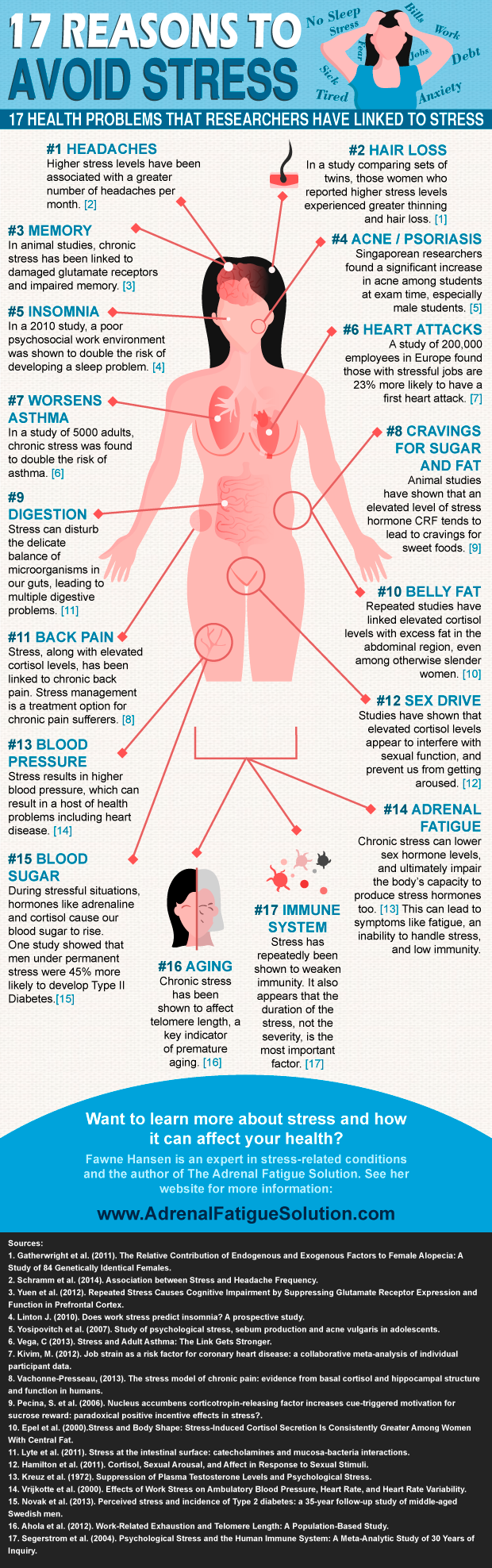
College life can be a stressful transition. A full load of classes along with a new roommate, and new environment can take a toll on your body and mind. The following inforgraphic from mindbodygreen.com shows how stress can effect your whole body.


Now that you know how stress can impact your life here are some helpful tips to managing it throughout your college career.  

  • Start by getting enough sleep
    • You need at least 7 to 8 hours of sleep every night to function properly. Pulling all-nighters won't guarantee you an A. Insufficient sleep can put you at risk for serious illnesses like diabetes, obesity, and depression.
  • Eat right
    • Eat three good meals a day with healthy snacks in between. A varied colorful diet is the goal (and I don't mean a bag of M&M's or skittles). ChooseMyPlate.gov offers a wealth of knowledge on how you should fix your plate.

  • Exercise
    • Exercise can be therapeutic and provide you with a much needed escape. Exercise releases endorphins which are chemicals in the brain that act as natural pain killers  and improve your ability to sleep (www.adaa.org). From running to yoga to swimming, choose an activity that you enjoy doing.  Check out the Campus Rec website at www.sfasu.edu/campusrec/ for more information on how to stay active. 
  • Avoid Energy Booster
    • Energy drinks, caffeine pills and prescription meds may be tempting when you need to wrap up an assignment; however, it's not worth throwing off your body's natural sleep cycle.
  • Get Emotional Support
    • Choose a trusted friend or family member that you can talk to or seek out professional support.  SFA has free counseling services for you to utilize.  It is located on the third floor of the Rusk building or call 936-468-2401 to make an appointment.
  • Get Involved, but Don't Overload
    • Find an organization or join an intramural team that you are passionate about. However, make sure you are giving yourself enough time to complete your assignments, and most importantly taking care of yourself.
  • A Little TLC Goes A Long Way
    • The Campus Recreation offers massage therapy sessions by a very qualified massage therapist.  A 15 minute session is only $12 with sessions going up to 60 minutes for $50. Call 936-468-3507 to make an appointment.

Written by: Becca Blubaugh and Jonathan Gonzalez--2014 Dietetic Interns

References

Tuesday, September 2, 2014

The Truth About Gluten


There are many questions surrounding gluten and the purpose of the “gluten-free” diet. Today many people (celebrities included) are advocating gluten-free as a healthy diet. We’re going to give you all the facts about gluten and dispel the rumors.

What is gluten and where is it found?


Gluten is a protein found in wheat, rye, barley and triticale (a mix of wheat and rye). Gluten gives food products like bread its elasticity. Gluten can be found in many food products by other names. 


The following food ingredients also contain gluten:
  • Bulgur
  • Durum flour
  • Farina
  • Graham flour
  • Kamut
  • Semolina
  • Spelt
  • Malt, malt flavoring and malt vinegar are usually made from barley
Purpose of a gluten-free diet? 
You shouldn’t go gluten-free unless you have celiac disease or a sensitivity to gluten. Gluten causes inflammation in the small intestine in people with celiac disease. A gluten-free diet helps treat the signs and symptoms (i.e. abdominal pain and diarrhea) associated with sensitivity and celiac disease. If you choose to go gluten-free and you don’t have any of these issues be aware that you’re cutting out a lot of essential nutrients from your diet. Wheat products are rich in B vitamins, minerals and fiber.

Written by: Becca Blubaugh & Jonathan Gonzalez--2014 Dietetic Interns

References:
http://www.fda.gov/food/guidanceregulation/guidancedocumentsregulatoryinformation/allergens/ucm362510.htm
http://www.mayoclinic.org/healthy-living/nutrition-and-healthy-eating/in-depth/gluten-free-diet/art-20048530?pg=2
http://www.retailmenot.com/blog/gluten-free-food.html
http://www.webmd.com/diet/healthy-kitchen-11/truth-about-gluten
 

Tuesday, August 26, 2014

The New and Healthier You

"The New and Healthier You"


Has the summer break left you feeling un-productive and anxious to begin the new school year with a strong game plan for success? 

The new calendar year is not the only time deciding to make a lifestyle change can be made, the new school year is an excellent opportunity to become a "New and Healthier You." Eating healthy, exercising often, and staying on top of your studies is difficult to balance. Here are some tips and tools to help you overcome common back-to-school challenges and become the healthiest, most active, and successful student you've ever been!

Challenge 1: Making healthy food choices.
  • Do Your Research.
    • When eating at the cafeteria, reference nutritional information placards as well as the SFA Dining (sfasu.campusdish.com) website for nutritional information for all menu items that day.
  • Try new things.
    • Your taste buds change every 6 years, therefore, foods you had an aversion to as a child, you make actually enjoy now as an adult!
  • Limit the excess calories.
    • Replace sugary soft drinks and juices with water and low-fat or skim milk. Keep in mind that most soft drinks on average contain 180 calories and 44 grams of sugar. Replacing this with water everyday can cut a significant amount of empty calories over time.


Challenge 2:  Finding the time and energy for exercise.

Rules of thumb:
  • Sleep. 
    • Make sure to get at least 7 hours of sleep each night to ensure you remain alert and energized throughout the day.
  • Fuel your Body.
    • Eat a well balanced snack or meal 1 hour before exercise (examples: apple and peanut butter, peanut butter toast, oatmeal, etc.)
    • Consume a 3:1 ratio of carbs to protein within 45 minutes following exercise (examples: chocolate milk, fruit and protein supplement, chicken and rice, tuna sandwich, oatmeal and eggs, etc.)
  • Exercise in the morning. 
    • You will find yourself more alert in class and with more time for homework and social activities later in the day. 
  • Ease back in.
    •  If you have just taken the entire summer off from exercise, make sure to ease back in to prevent you from getting burn out and reduce muscle soreness that can jeopardize future workouts.
  • Keep it balanced.
    • To prevent weight gain, make sure you're not taking in more calories than you're expending in exercise. We all have slip ups in our diet, just make sure to get back on track with eating healthy the next day. There are great tools available to count calories consumed and calories burned during exercise, use them to your advantage!

Challenge 3:  Making the adjustment.

Some of you may be an incoming freshman living in a residence hall after living under your parent's roof your entire life. Others of you may be living off campus after living in a residence hall for the last two years. Either way, the adjustment is not easy and can heavily impact your day's scheduling and your time for exercise and eating healthy.

Tips for Success:
  • Plan ahead. 
    • Pack snacks and have meals ready to eat when busy. 
  • Use a planner. 
    • Based on your class schedule, find time in your day to plan your workout and to cook your meals.
  • Do your research. 
    • The school cafeteria, as well as many restaurants in town provide nutrition information online and on site for your access. Research healthy options before eating out or even after enjoying your meal to help plan the rest of your meals for the day. 
  • Stay hydrated. 
    • Be sure to consume at least half your body weight in fluid ounces of water. This is especially important for optimal brain activity as well as exercise performance and weight management. 
  • Get in the know. 
    • Become educated on health and nutrition by joining campus organizations like the Student Association of Nutrition and Dietetics. You can even set up a dietary consult with Sarah Drake, the campus dietitian, as well as attend the healthy and free seminars sponsored by Aramark, when available.

Be sure to reference these tips and recommendations on a daily basis to help kick start a healthy new school year and a "New and Healthier You."
Questions?
E-mail me at laurenpapanos@gmail.com or schedule an appointment with campus dietitian, Sarah Drake.


Lauren A. Papanos
Food, Nutrition, and Dietetics Senior Undergraduate Student
Guest Blogger


References: 
https://www.google.com/webhp?sourceid=chrome-instant&ion=1&espv=2&ie=UTF-8#q=soft+drinkcalories
(Image Source: http://momsinablog.com/store/wp-content/uploads/2012/03/Creating-A-Healthier-You.jpg)